
One thing I know for sure is that some of my biggest learning happens in everyday conversations.
Not the ones I’ve prepared for and planned.
Not the ones where I strategized and focused.
It’s the conversations I don’t see coming...the ones I have badly before I figure out how to have them better... that tend to spark the biggest reactions.
One of my most favourite of these is fondly known as “Kim, Christin and the Classic Car”. On the surface, this story could be about an argument over a major purchase… and ultimately someone who got what they wanted and someone who didn’t. But for me, this story has become a grounding point that I come back to over and over again when conversations get stuck and when there seems like only one way out. This story reminds me there is always something MORE that’s motivating conflict.
The Case of the Classic Car
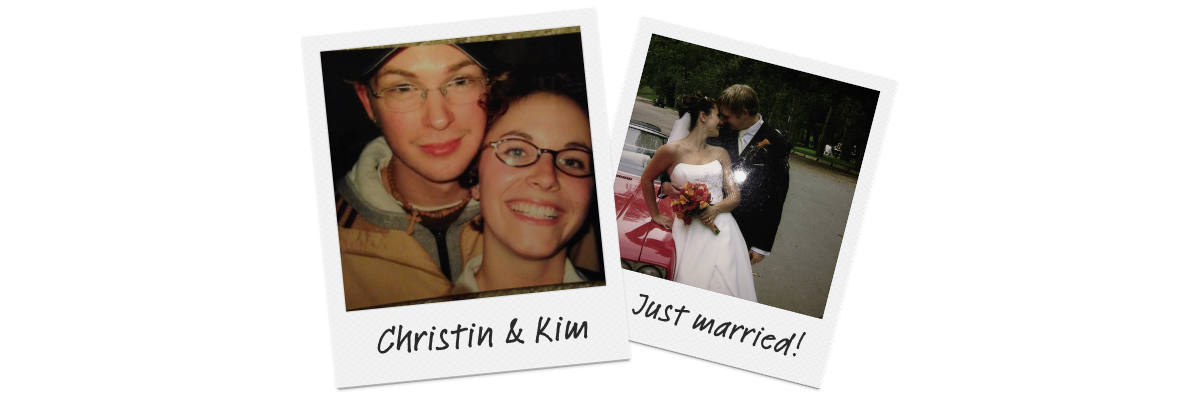
It’s important to know before I tell you this story that I have been happily married to my husband, Christin, for more than 20 years. We started dating when I was 17 and he was 19, which means we have been together for a VERY long time.
And when you meet someone when you’re 17 and they’re 19, there’s not much you don’t know about one another. Or at least, that’s what I thought.
How it Started
I will always remember the day when we were living in Calgary and Christin came home and said, “Kim, I want to buy a classic car.”
My response was some version of, “No. Over my dead body are you buying a classic car. Why do we need a classic car? What would we even do with a classic car?”
There were our positions, loud and clear.
Christin: I want to buy a classic car.
Kim: No, you are not buying a classic car.
I’m embarrassed to tell you how long this argument went on.
Eventually, we did manage to get a little deeper. We started talking about some of the interests underneath our positions. Christin would say things like, “This would give me an opportunity to be more mechanical. I could learn something about fixing things.”
And I would come back with, “Okay, but where would we store it? How would we pay for it? We already have two cars. I don’t want to be a three-car family.”
So while we had moved beyond simply, “Yes, I want a car” and “No, you can’t have a car.” We were having a somewhat more productive conversation, but we were still stuck.
And this went on for months with little to no progress and a lot of resentment building on both sides.

Finally the Right Question
At the time, because we were living in Calgary but had family and connections in Edmonton, we spent a fair amount of time driving Highway 2. If you’ve from Alberta and you’ve ever made that drive, you might know the little Bowden refinery along the highway.
I remember one of those drives very clearly. Christin and I were having this same endless argument, going back and forth about this car, and I happened to look over at the refinery.
And somewhere while looking at that refinery, I had this little conversation with myself.
Kim, you kind of have skills about arguing. You actually know something about having better conversations. Maybe you want to use some of those skills right now.
So I looked over at Christin and said, “Hon, okay. No more. What is it about the car that matters so much!?”
I remember him pausing, taking a breath, looking over at me and saying in a soft voice:
“Thank you. You haven’t asked me that yet.”
He thought for a few moments and then he told me a story I had never heard before.

The Heart of the Issue
Christin grew up in Dauphin, Manitoba, a town of about 10,000 people. When he was young, he and his brother shared a bedroom, and on summer nights his uncles (whom he absolutely adored) would sometimes show up around 11 o’clock at night and knock on the boys’ bedroom window.
“Christin....Paul (that’s his brother)... come on, come on, come on. We’re going to get ice cream.”
They would haul the boys out the window, pretending they were sneaking them out of the house, throw them into the back of their classic MGs and take them into town for ice cream.
As Christin told me the story, he shared what I had completely missed during all those months we had spent arguing.
“Kim, it’s not about the car. It’s about the memories. It’s about the family experiences. It’s about creating connection in unusual places. Those uncles, the ones that hauled us out of the house and to the Dairy Dip, they are the ones I trust, the ones I go to for advice and support. I want to be able to do that for my nieces and nephews. And someday, if we’re lucky enough to have kids, I want to be able to do that with my kids.”
And meanwhile, I’m sitting there thinking: I love family memories. I love intergenerational relationships. I want to be that person too!
Right. I should have known better - of course there was a good reason.
What became so clear in that moment was that Christin and I actually valued many of the same things. We just saw wildly different ways of creating them.

We had spent months arguing about our positions: classic car or no classic car. Even when we got underneath those positions and started talking about our interests, we still hadn’t gotten to the heart of what mattered.
It wasn’t until I asked a different question: What is it about the car that matters so much? that we got underneath all of it and started talking about values.
Family. Memories. Connection. Experiences.
Those were things we could understand about one another. More importantly, they were things we shared.
...
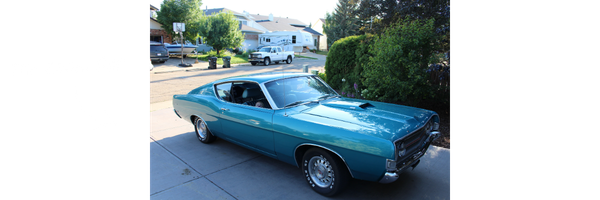
So yes, we did became the proud owners of a 1969 Gran Torino, very fondly known in our family as the Zoom Car. We piled our kids into it and made memories of our own.
The lesson I have carried with me from that conversation is much bigger than the car.
In the last few years, the Zoom Car needed to go, so we could make way (and capital) for new family memories and that conversation was SO MUCH easier. We talked about what we wanted to create and the many ways of getting there.

What's Underneath it all?
When we get stuck in our positions, it can be incredibly easy to keep arguing about the thing sitting right in front of us: I want this. You want that. I think we should. You think we shouldn’t.
Sometimes we manage to get a little deeper and talk about the practical needs and interests underneath those positions. That helps. But there can still be another layer underneath all of it.
What do you care about?
And perhaps more importantly...
Why does it matter to you?
That’s where we begin to uncover values. And sometimes, when we get curious enough to go there, we discover that underneath two wildly different positions are people who care about many of the very same things.
We don’t always find common ground but I promise you the effort in uncovering what’s at the heart of a conflict WILL always bring new insight, new opportunities and maybe, just maybe, a great path forward.
Anything is possible with a little dialogue.